From November 30 to December 6, Tan Tieniu, Chair of Nanjing University CPC Council and Academician of the Chinese Academy of Sciences, led a delegation to visit Egypt and the UK, to implement the comprehensive strategic partnership between China and Egypt and the strategic consensus on China-UK educational cooperation, and to deepen international exchanges and cooperation in science, education, and culture. The visit sought to further expand NJU's global cooperation network and create new opportunities for practical cooperation in multiple fields.
On November 30, upon arrival, Tan Tieniu visited Alexandria University and held talks with Vice President Ahmed Adel Abdelhakim. Tan introduced NJU's educational characteristics and advantageous disciplines, highlighting the coordinated development of basic and applied research and the rapid growth in artificial intelligence research. He noted the high degree of alignment between the two universities' disciplines and the great potential for cooperation. Alexandria University is a top comprehensive university in Egypt and a leader in water technology research and environmental governance in the region. Abdelhakim welcomed the delegation and detailed the university's disciplinary advantages and development plans, expressing hope for deepened cooperation with NJU. Both parties agreed to focus on artificial intelligence, water technology, and environmental fields, jointly developing AI courses, hosting seminars, and promoting faculty and student exchanges and academic resource sharing.
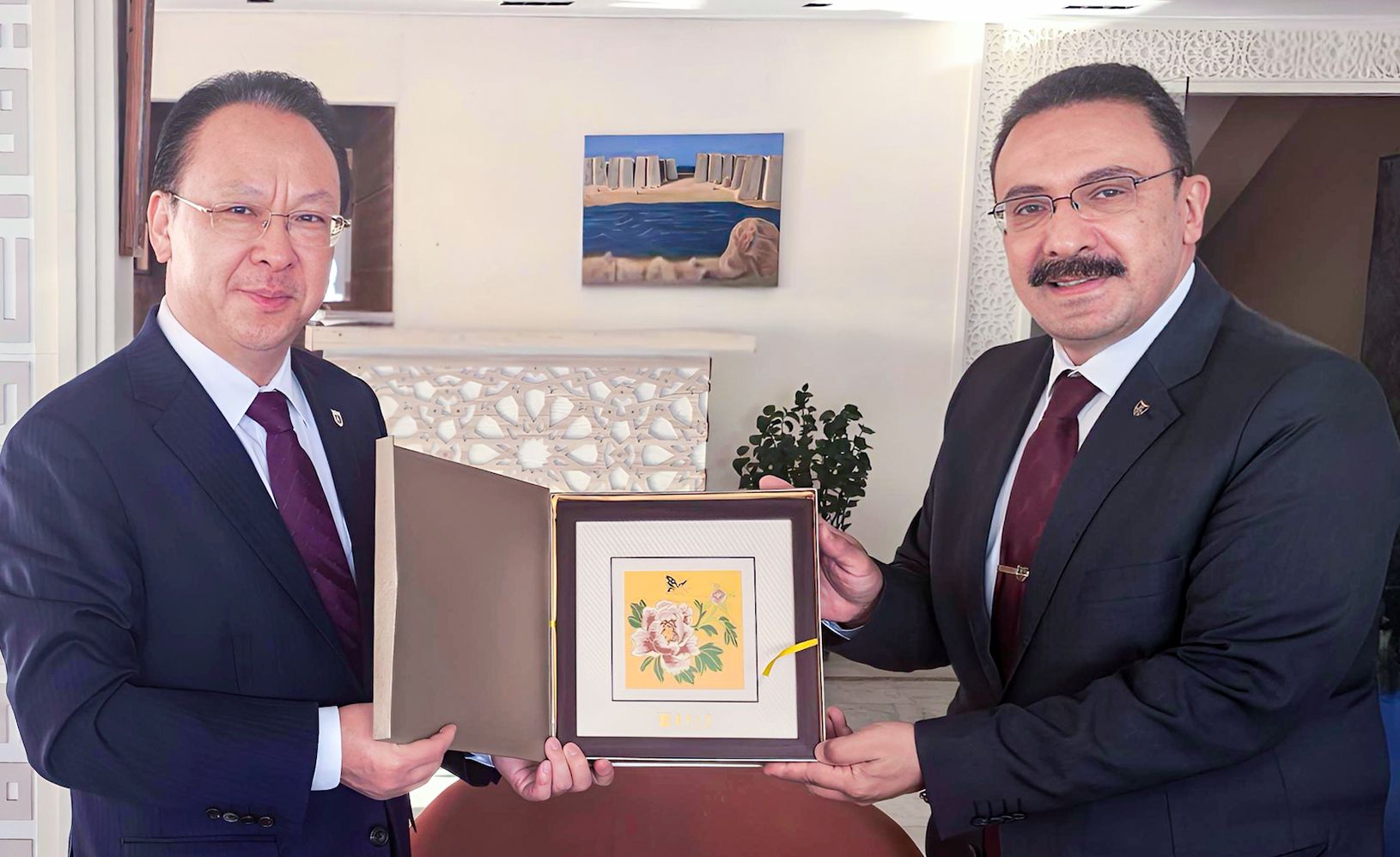
On December 1, Tan Tieniu visited Benha University and engaged in discussions with Vice President Gehan Abdelhady Mousa. Tan introduced NJU's solid foundation in basic sciences and humanities, as well as its achievements in international education. He expressed hope for expanding cooperation based on complementary disciplines, supporting the Belt and Road Initiative and the comprehensive strategic partnership between China and Egypt. Mousa warmly welcomed the delegation and systematically introduced Benha University's multi-campus development model as a public comprehensive university in Egypt, sharing experiences in building strengths in medicine, engineering, and agriculture, as well as cooperation with Chinese universities. She looked forward to strengthening collaboration in talent cultivation and research innovation. Both parties will promote student exchanges and joint research projects, advancing practical cooperation in stages.

Thereafter NJU delegation visited Badr University and held talks with President Ashraf El-Shihy, former Minister of Higher Education and Scientific Research, and Vice President Mohamed Basiouny. Badr University is one of Egypt's fastest-growing emerging private comprehensive universities. Tan Tieniu introduced NJU's 123-year history and its comprehensive strengths in basic sciences, life medicine, and artificial intelligence. El-Shihy warmly greeted the delegation and introduced Badr University's advantages in modern, applied, and innovative disciplines such as healthcare and engineering, as well as cooperative practices with Chinese universities. Basiouny shared progress in teaching and research in related disciplines and talent cultivation needs. Both parties agree to focus on cutting-edge fields like life sciences and AI in healthcare, expanding faculty and student exchanges and cultural interactions.

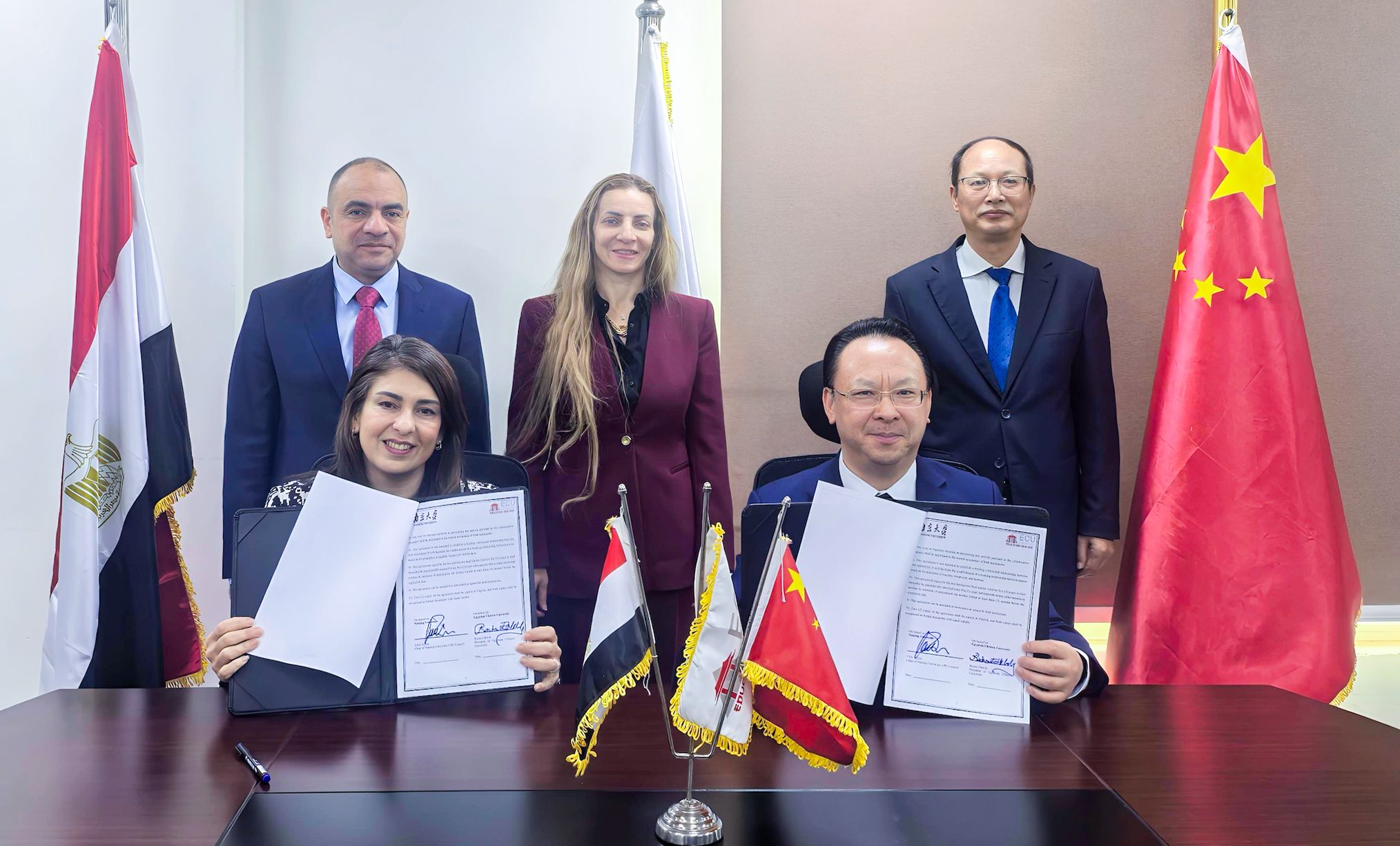
On December 2, Tan Tieniu visited the Egyptian Chinese University and discussed China-Egypt cultural exchanges with President Rasha El-Khouly. The Egyptian Chinese University is the only comprehensive private university in North Africa named after "China." Tan introduced NJU's century-long history and its deep accumulation in humanities and social sciences, rapid development in new engineering fields, and innovative international talent cultivation models. El-Khouly warmly welcomed the delegation and expressed the university's commitment to becoming a vital bridge for China-Egypt cultural understanding, sharing achievements in promoting Chinese education and regional studies. Both parties will actively promote cooperation in environmental protection, artificial intelligence, archaeology, and cultural preservation.
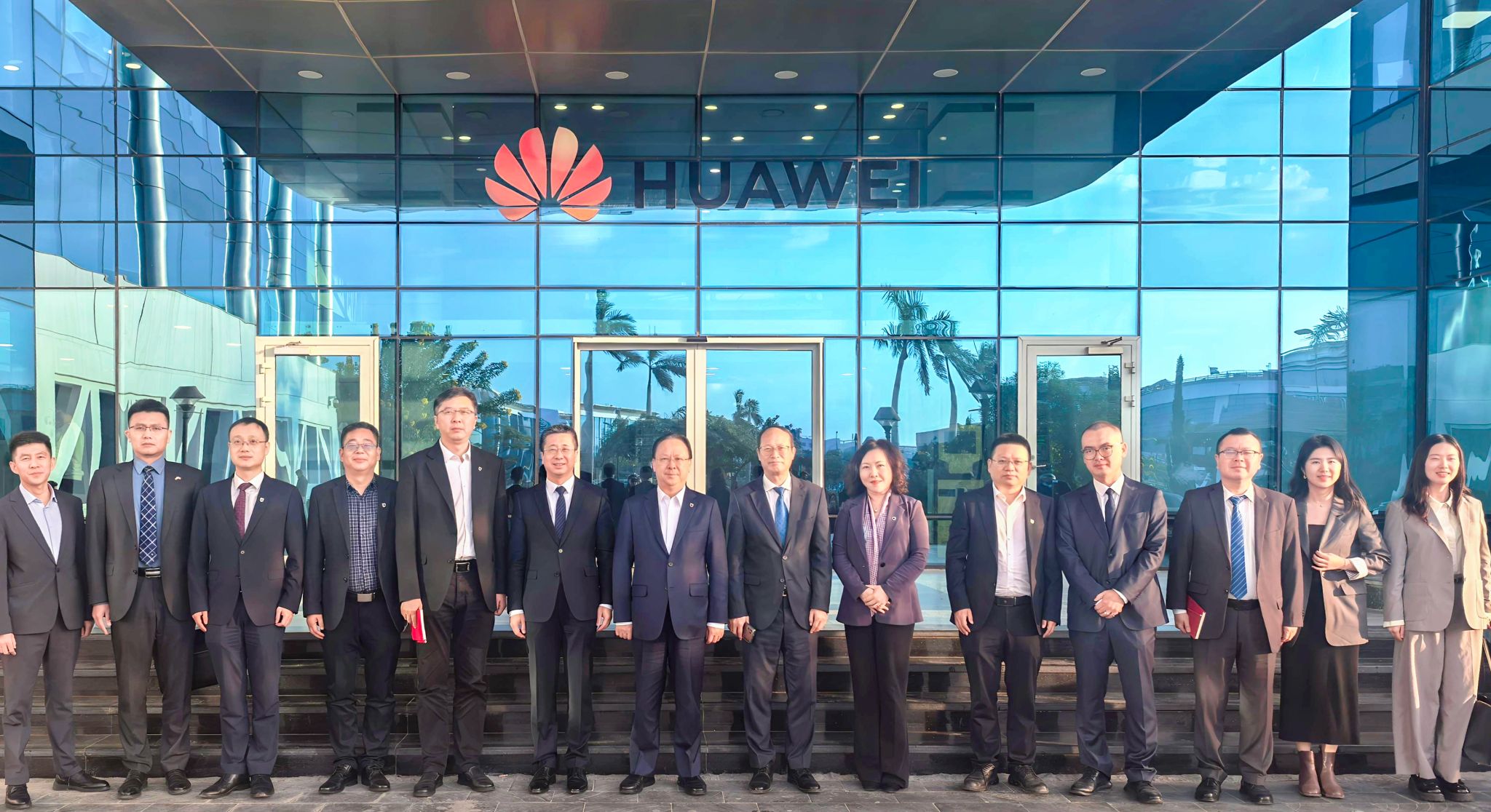
On the same day, Tan Tieniu visited Huawei Egypt and held discussions with Chairman Dou Yong. Tan stated that NJU has profound expertise in artificial intelligence, information technology, and software engineering, with strong research capabilities and a solid foundation for cooperation with Huawei. He emphasized that deep collaboration between universities and enterprises is key to transforming technological innovation into productive reality. Dou Yong warmly welcomed the delegation and introduced Huawei's efforts in digital transformation, smart city construction, and ICT talent cultivation in Egypt. He expressed hope for cooperation with NJU in digital technology and AI empowerment of traditional industries.
On December 3, upon arrival in London, Tan Tieniu visited the University of Surrey and held talks with President Stephen Jarvis and Vice President for Global Affairs Patrick Degg. Tan introduced NJU's research strengths and educational achievements in basic sciences, artificial intelligence, and environmental science, noting significant cooperation potential between the two universities. Jarvis introduced the university's strengths as a research institution and international development strategies, as well as experiences in industry-academia integration and technology transfer. Both parties agree to focus on engineering technology, artificial intelligence, and sustainable development, jointly conducting research, hosting interdisciplinary academic seminars, and promoting faculty exchanges.

On the morning of December 4, Tan Tieniu visited the University of Oxford and met with President Irene Tracey. Tan introduced NJU's overall situation and advantages in humanities, social sciences, basic research, and new engineering, as well as achievements in international education. He emphasized that world-class universities should collaborate to drive technological progress and cultural exchange amid global technological and industrial transformations. Tracey warmly welcomed the delegation and introduced Oxford's global leadership in basic research, humanities, social sciences, and life medicine, along with the university's international strategy. She expressed hope for expanding cooperation breadth and depth, building on the existing foundation. Both parties will promote young scholar exchanges, host high-end academic forums, and advance practical cooperation in modern biotechnology, chemical engineering, and sustainable development.
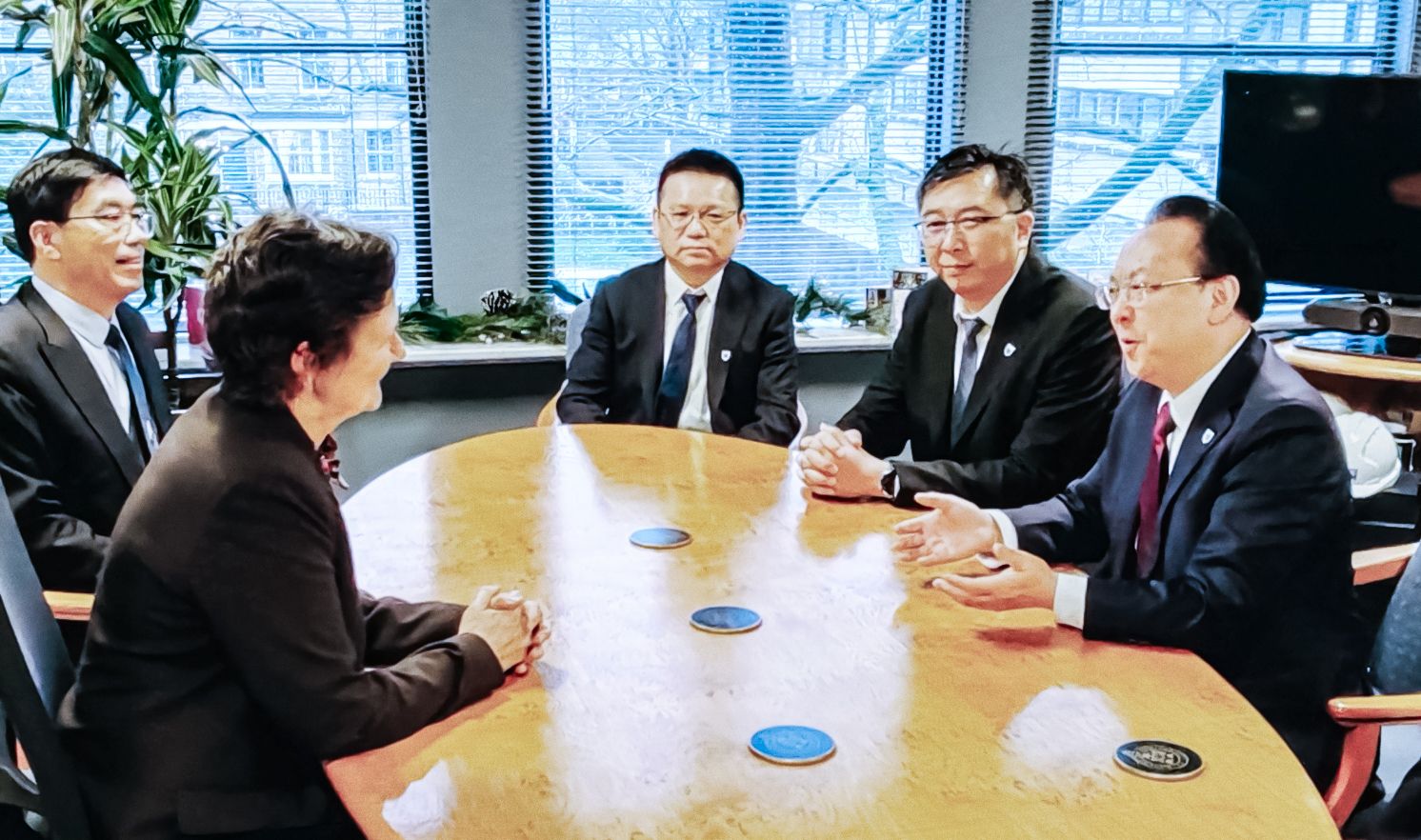
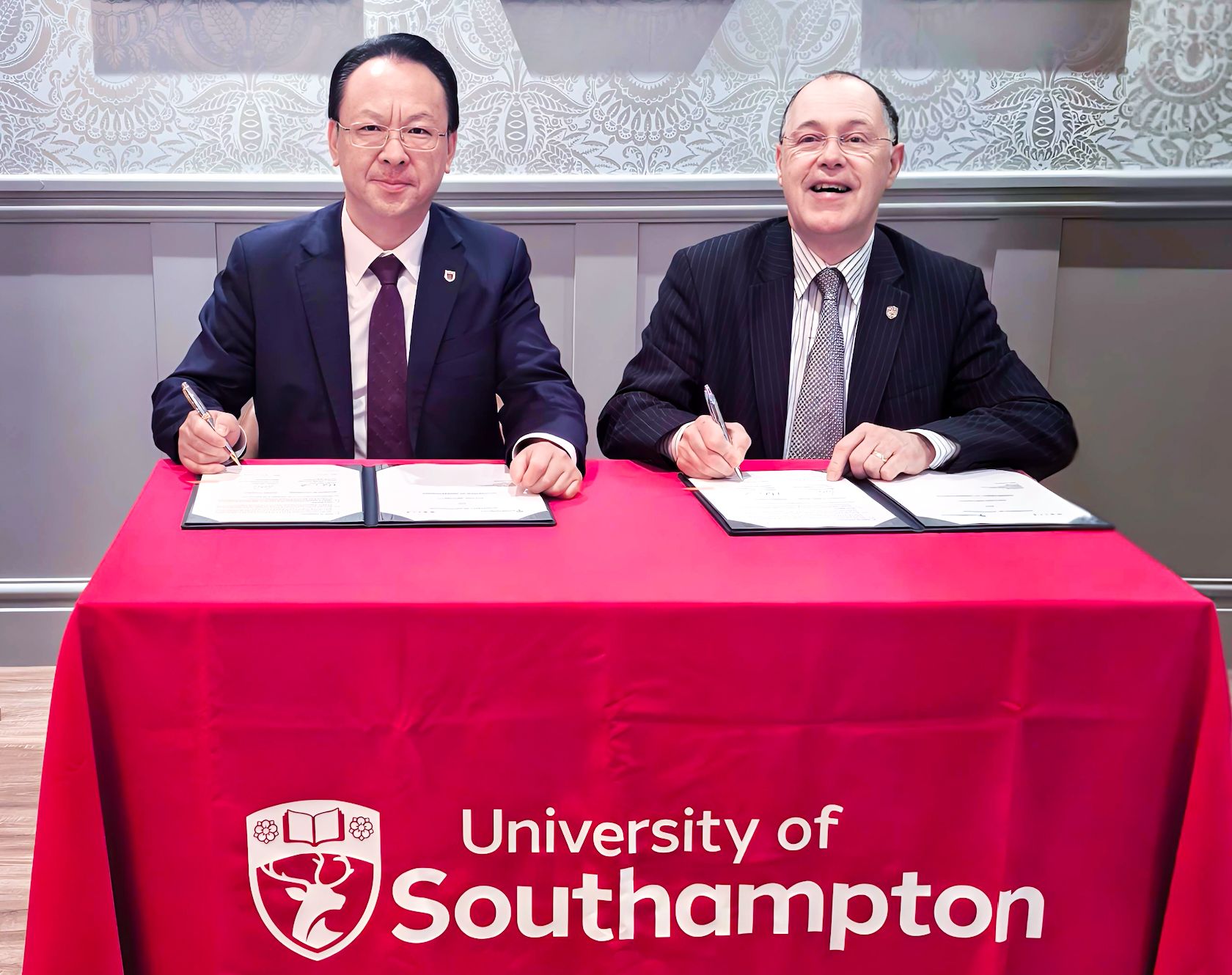
On the same day, Tan Tieniu visited the University of Southampton, held talks with President Mark Smith, and signed a cooperation agreement. Tan introduced NJU's comprehensive strengths and development plans in geography and ocean sciences, atmospheric sciences, and artificial intelligence, noting broad cooperation prospects in ocean environment governance and digital technology applications. Smith introduced Southampton's strengths in marine science, ship engineering, and optical engineering as a founding member of the Russell Group, sharing successful cooperation practices with Chinese universities and expressing hope for deepening collaboration. Both parties will further expand cooperation in global humanities, AI, life health, and ocean environment.
On the morning of December 5, Tan Tieniu met with Phil Baty, Chief Global Affairs Officer of Times Higher Education (THE). Tan systematically introduced NJU's development strategy and engaged in in-depth exchanges on academic evaluation mechanism reform, international promotion of distinctive disciplines, and building a global high-level talent network. Baty analyzed global higher education trends, international university ranking evaluation systems, and research impact assessment standards, highly praising NJU's achievements in academic research, talent cultivation, and international development in recent years. Both parties agree tocollaborate on research into global higher education trends and academic evaluation systems, exploring new models for international talent cultivation and enhancing NJU's international reputation and influence.
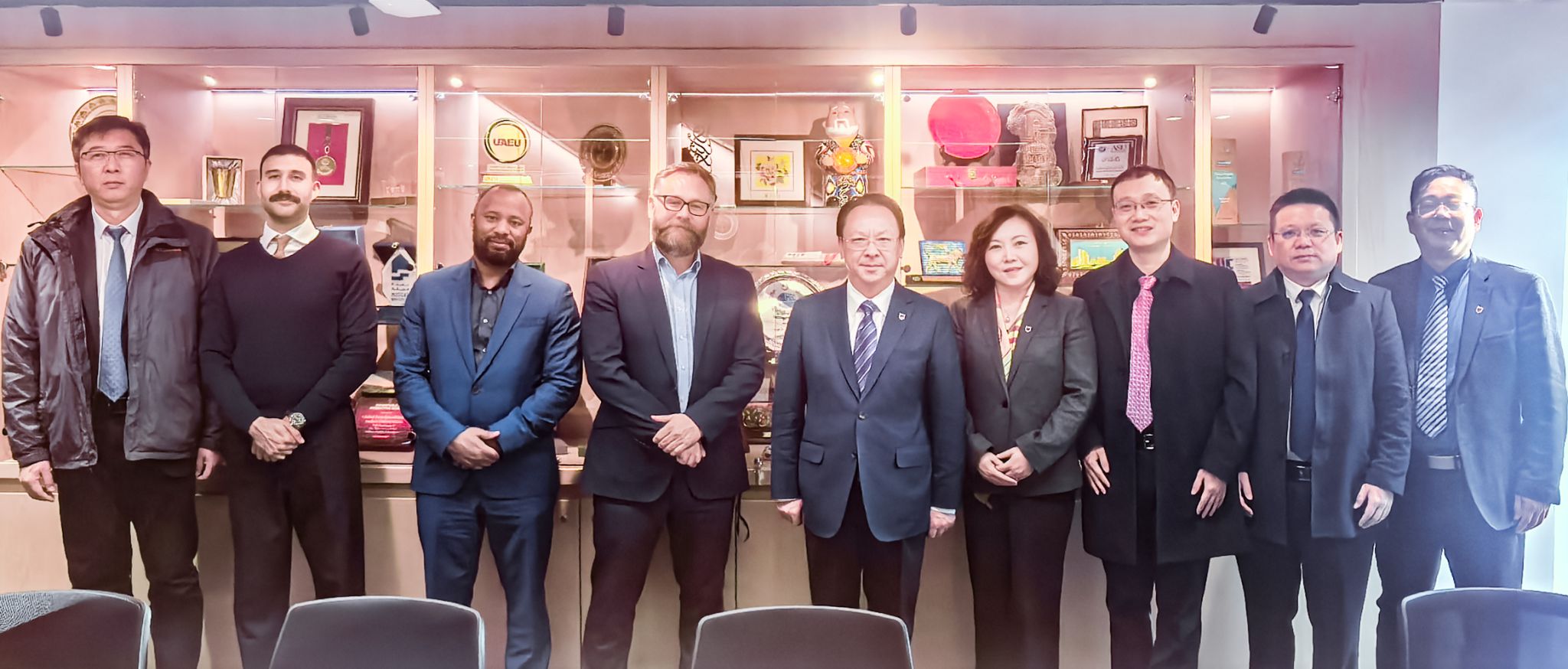
Subsequently, Tan Tieniu visited the University of Birmingham and held talks withthe interim Provost and Vice-PrincipalNick Vaughan-Williams andVice President William Bloss. Tan stated that the two universities have deep ties and a solid foundation for cooperation in earth sciences. Looking to the future, both parties should continue to adhere to "practical efficiency and complementary advantages," expanding deep cooperation in energy and sustainable development, chemical engineering, and humanities and social sciences.Vaughan-Williamswarmly welcomed the delegation during the university's 125th anniversary and introduced Birmingham's educational history, multi-disciplinary development pattern, and international strategy, especially in engineering, business, and life medicine. Both parties agree to explore establishing joint research seed funds and regular academic exchange mechanisms. After the talks, Tan Tieniu attended and delivered a speech at the "Nanjing University-Birmingham University Climate, Environment, and Health Joint Research Forum."

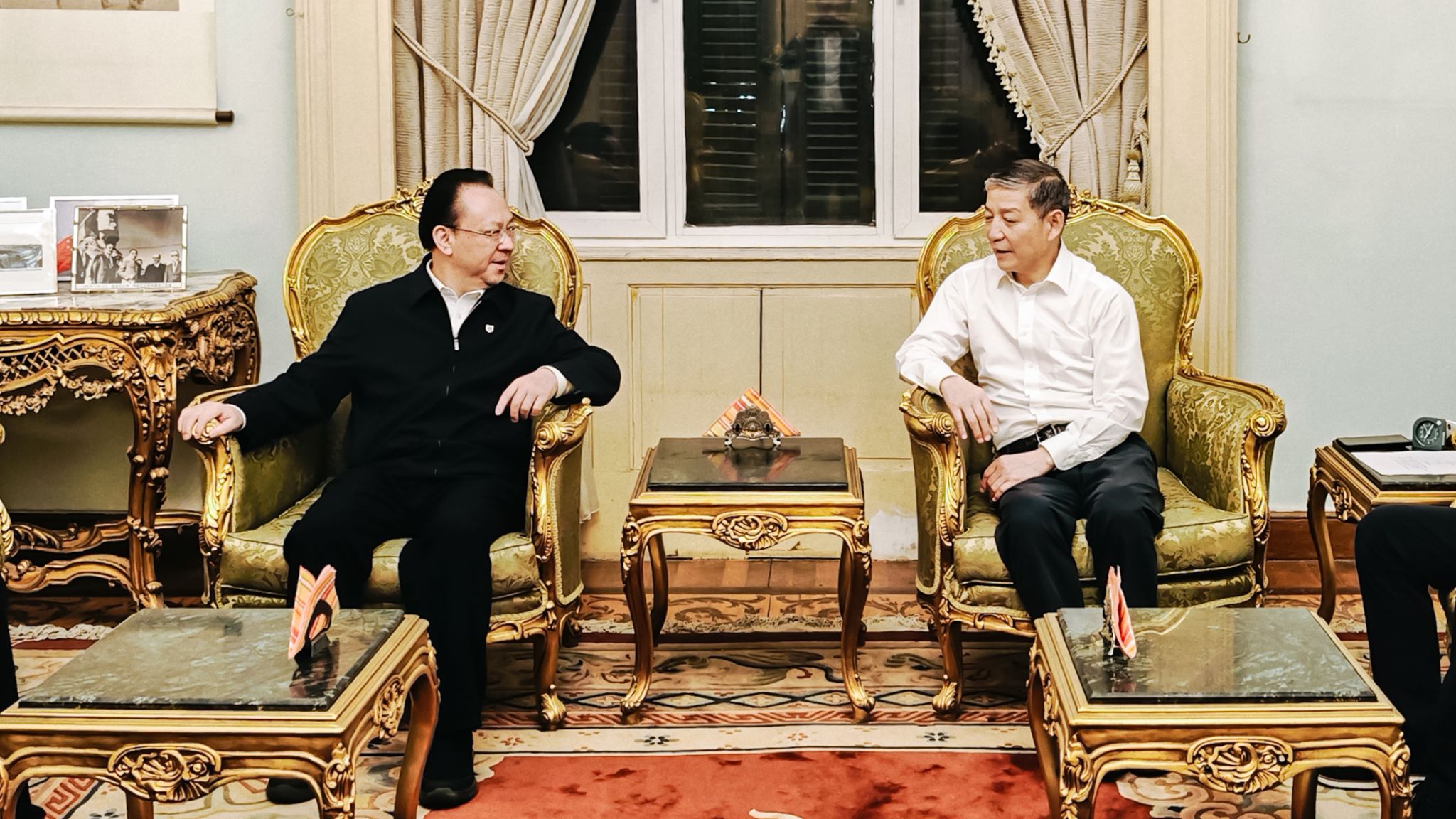
During the visit, Tan Tieniu also met with Chinese Ambassador to Egypt Liao Liqiang and Chinese Ambassador to the UK Zheng Zeguang, discussing the cooperation results of the visit and follow-up promotion plans.

The delegation met with representatives of NJU alumni in Egypt and the UK, and members of the Association of British Chinese Professors, engaging in in-depth exchanges on topics such as overseas intellectual resource introduction, support for overseas development of young students, long-term alumni contact mechanisms, and high-level talent recruitment and intellectual support.
Colleagues from the Office of Science and Technology, Office of Humanities and Social Sciences, School of Geography and Ocean Sciences, School of Atmospheric Sciences, and International Affairs Office accompanied the visit.