From September 22 to 24, 2025, the Institute of Global Humanities at Nanjing University, together with the School of Frontier Science and the School of Foreign Studies, successfully hosted the Cambridge Medieval Studies Lecture Series, featuring distinguished scholars Professor Máire Ní Mhaonaigh and Professor Miranda Griffin from Cambridge University. The three-day program combined keynote lectures and an intensive workshop, focusing on medieval manuscripts, European and world literary traditions, and environmental narratives. The events attracted a wide audience of students and scholars from within and beyond NJU, with full attendance both on-site and online.
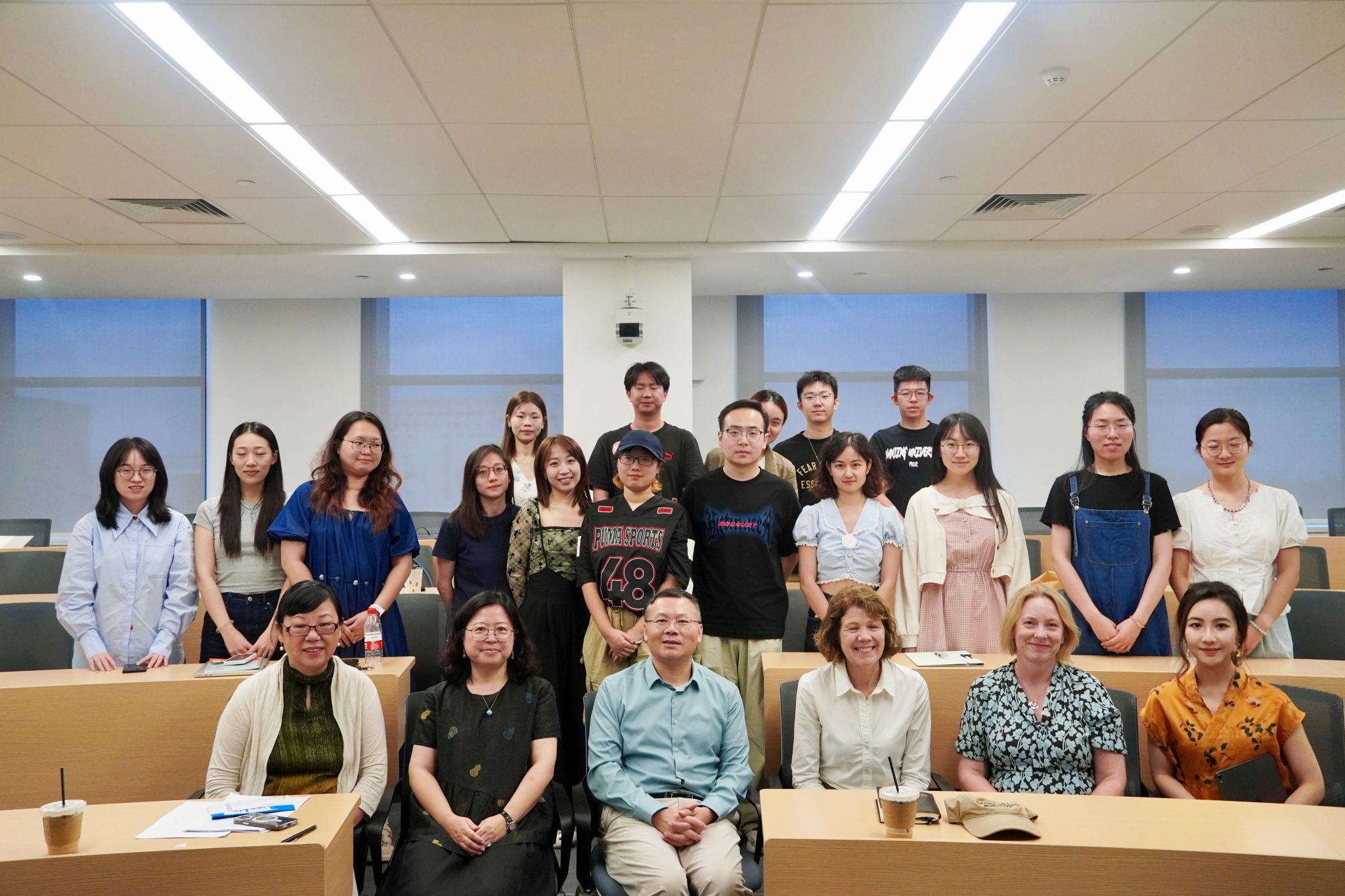
The series began on September 22 with the lecture "Windows on the World: Some Medieval Manuscripts of Cambridge in Context", chaired by Professor Du Lanlan.
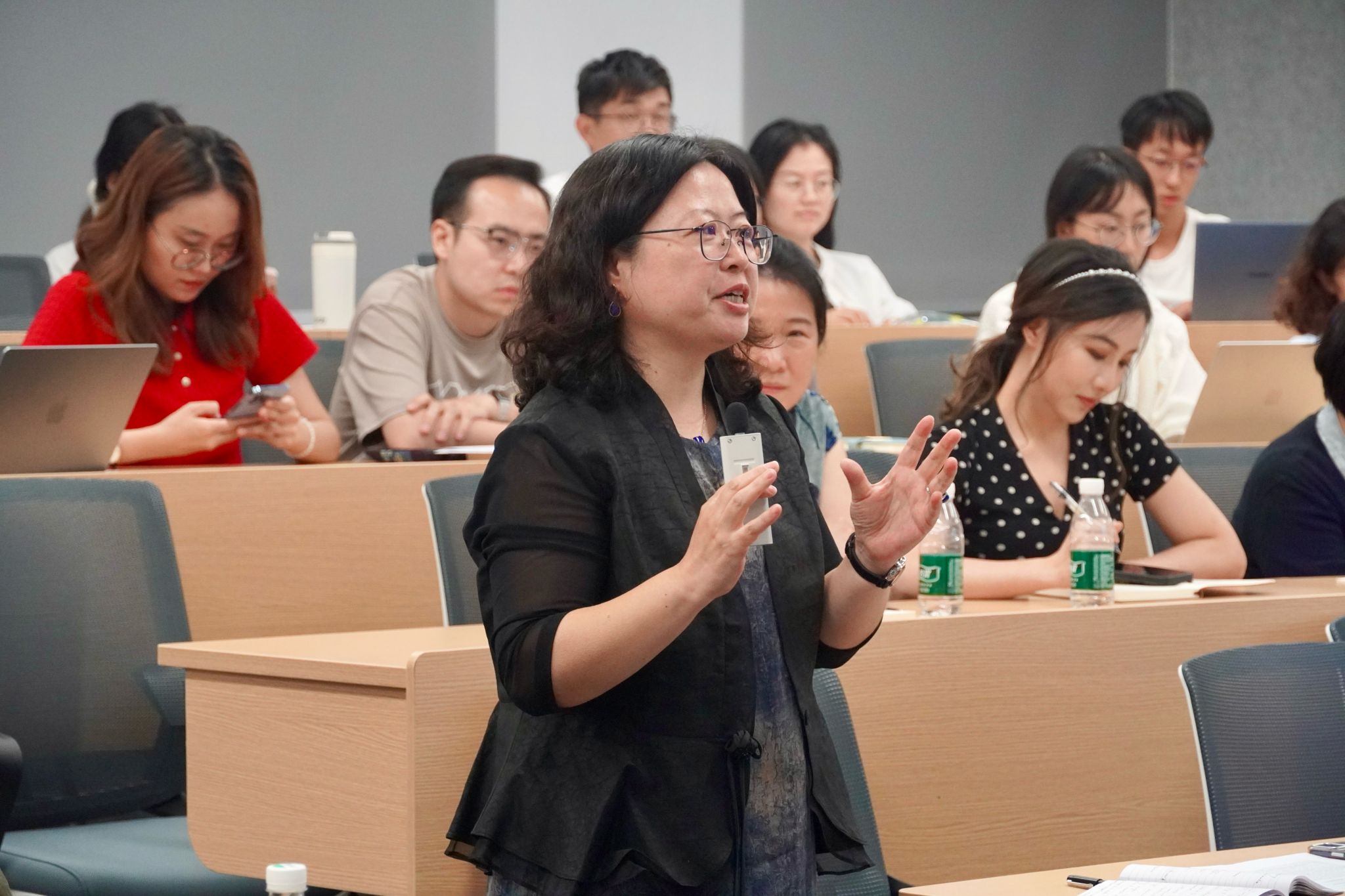
Professors Ní Mhaonaigh and Griffin explored three manuscripts from Cambridge University Library, highlighting themes of language, translation, intellectual history, and manuscript illustration.
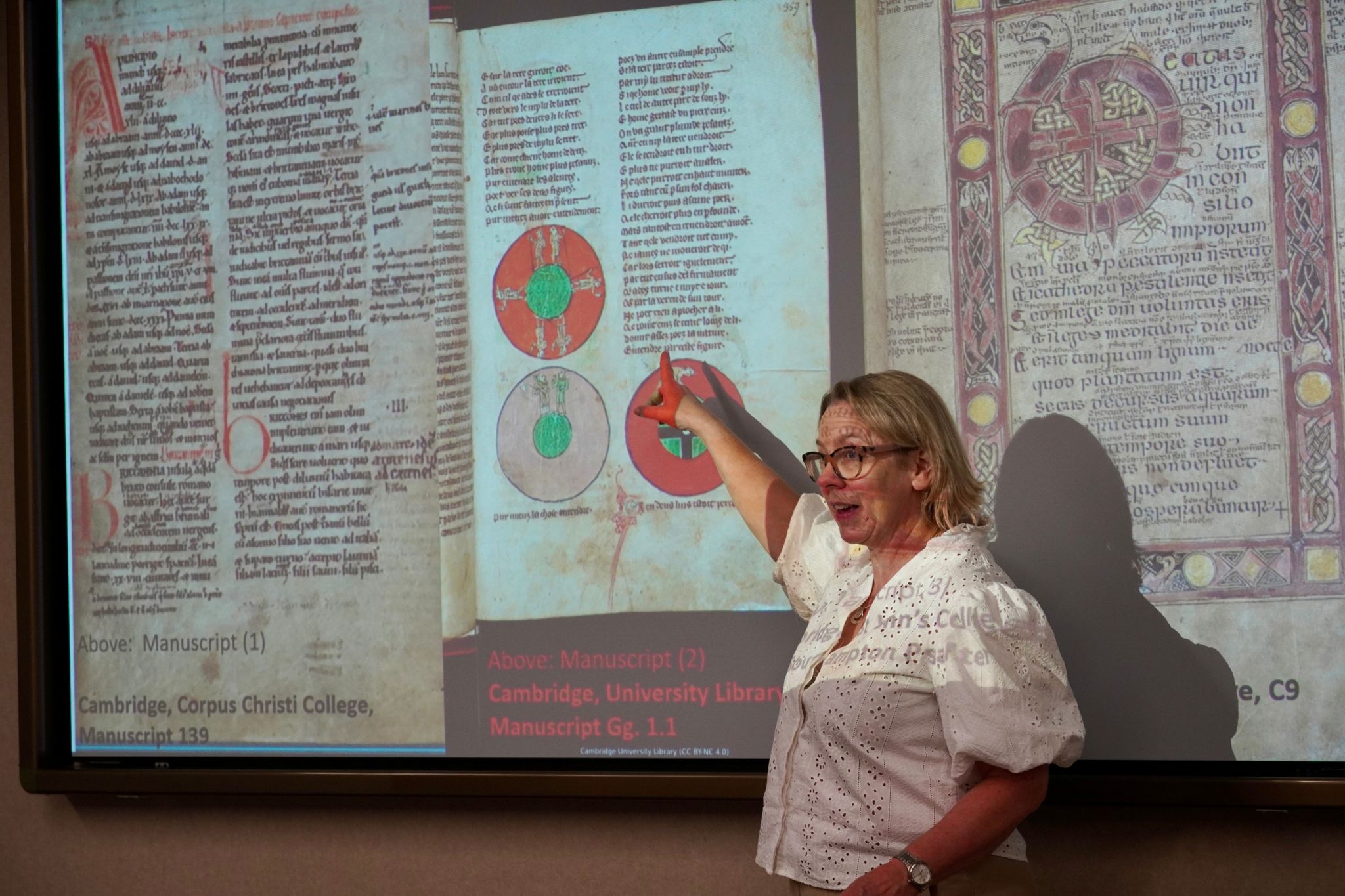
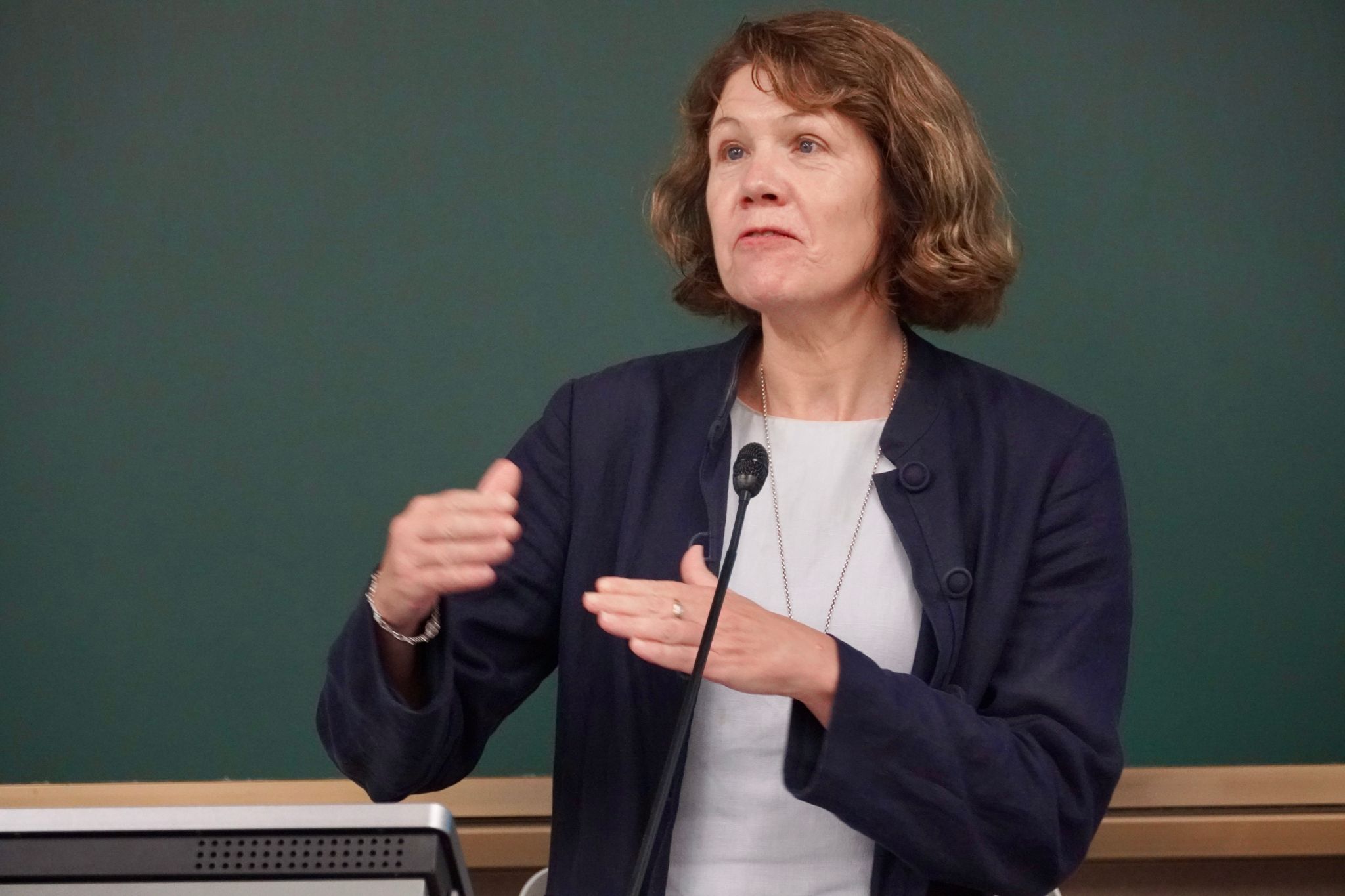
The lecture prompted lively discussion, with students and faculty particularly engaged by the visual culture of medieval manuscripts.
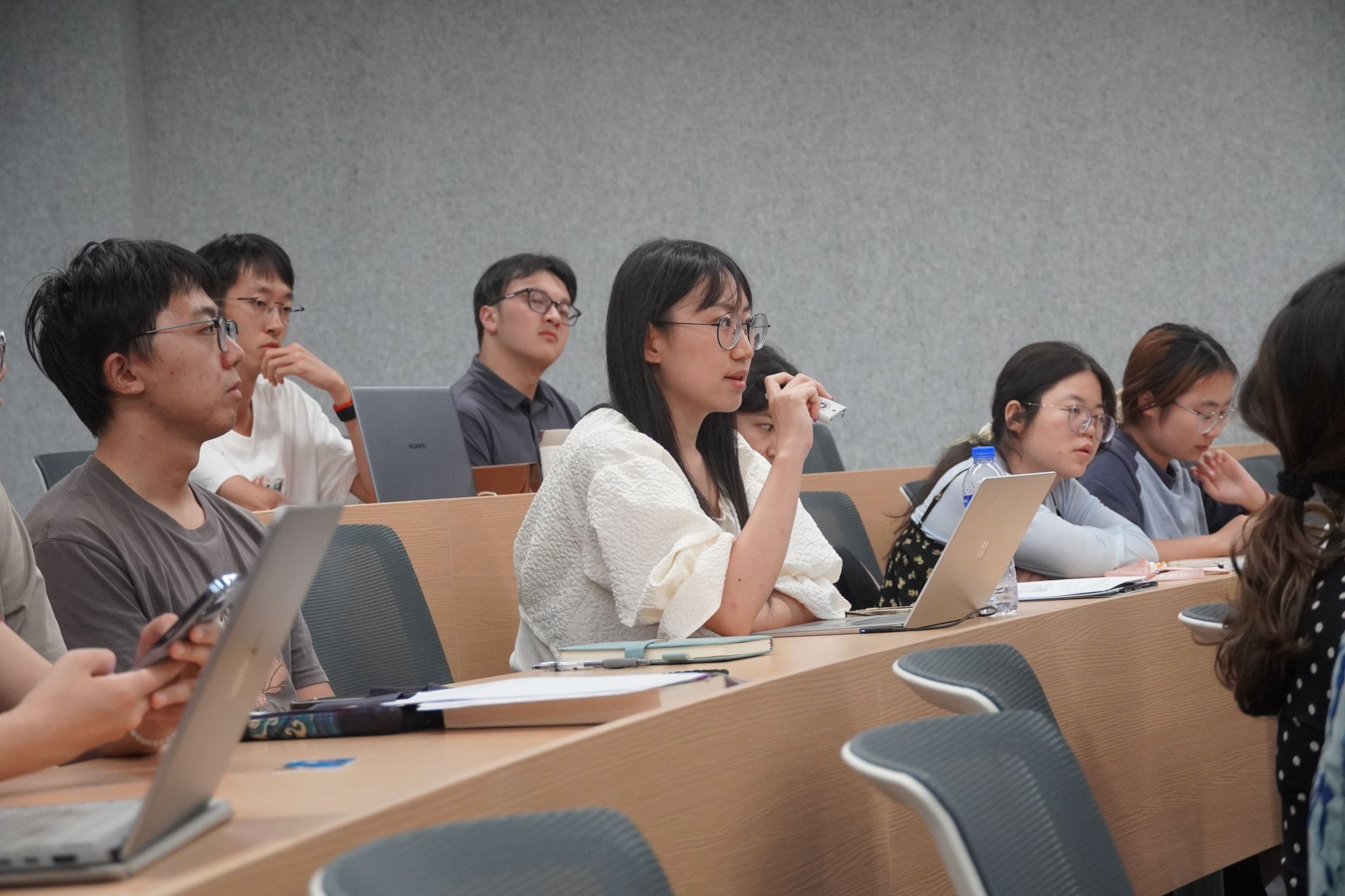
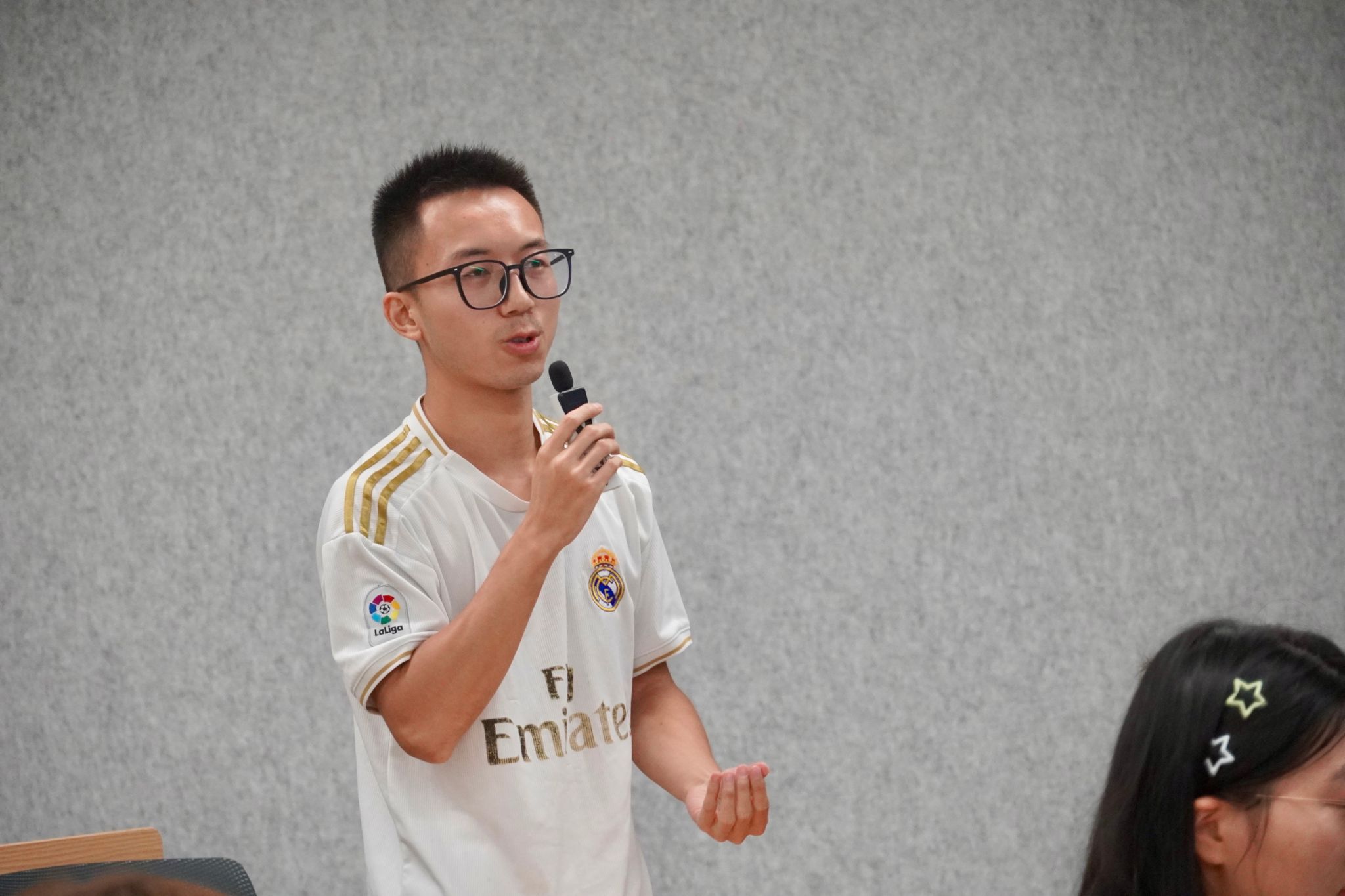
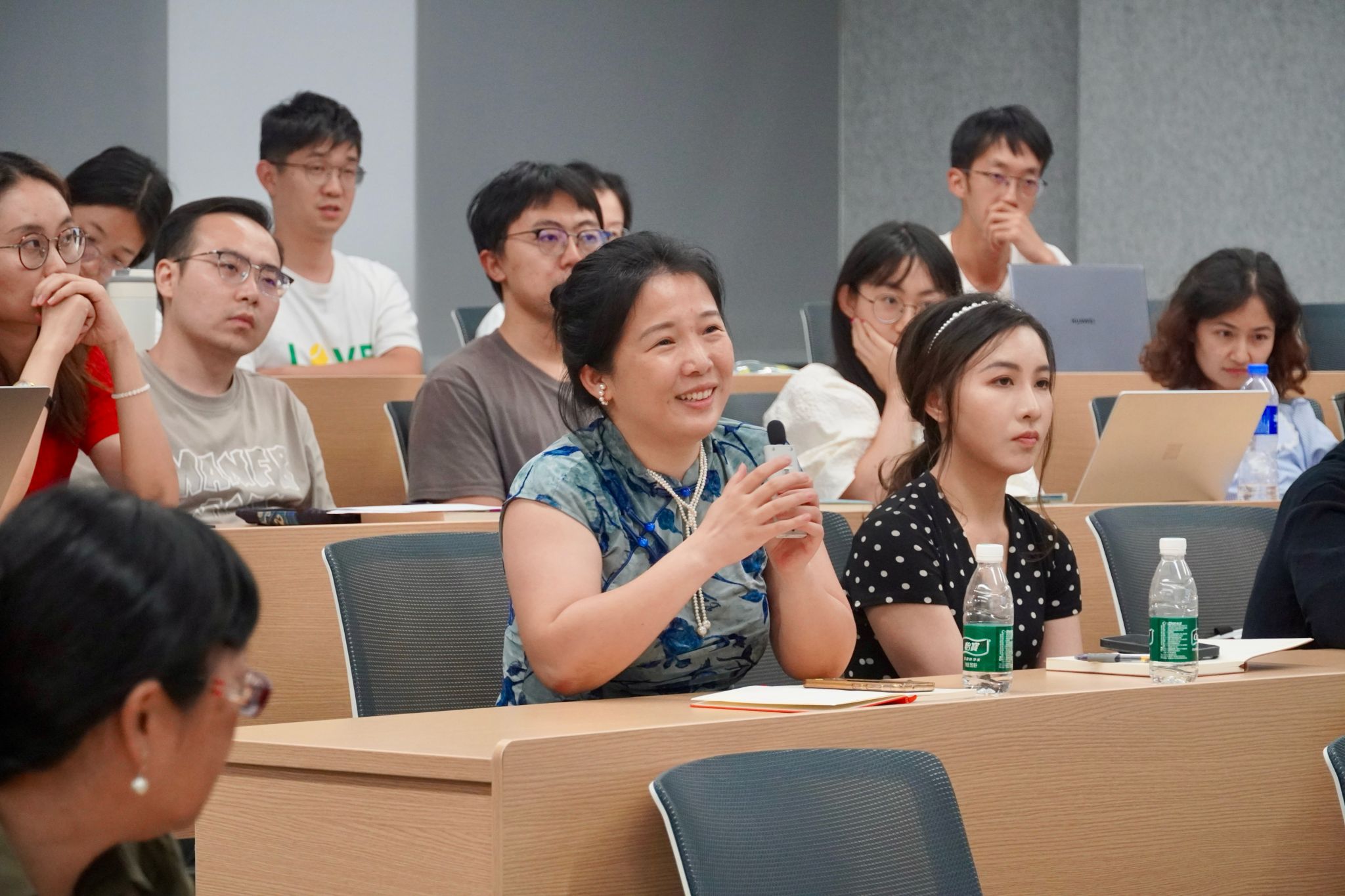
On September 23, the Suzhou campus hosted the workshop "Dialogues Across Time: Humanities in Transition—from Tradition to the Future", chaired by Dr. Zhang Tianyi.
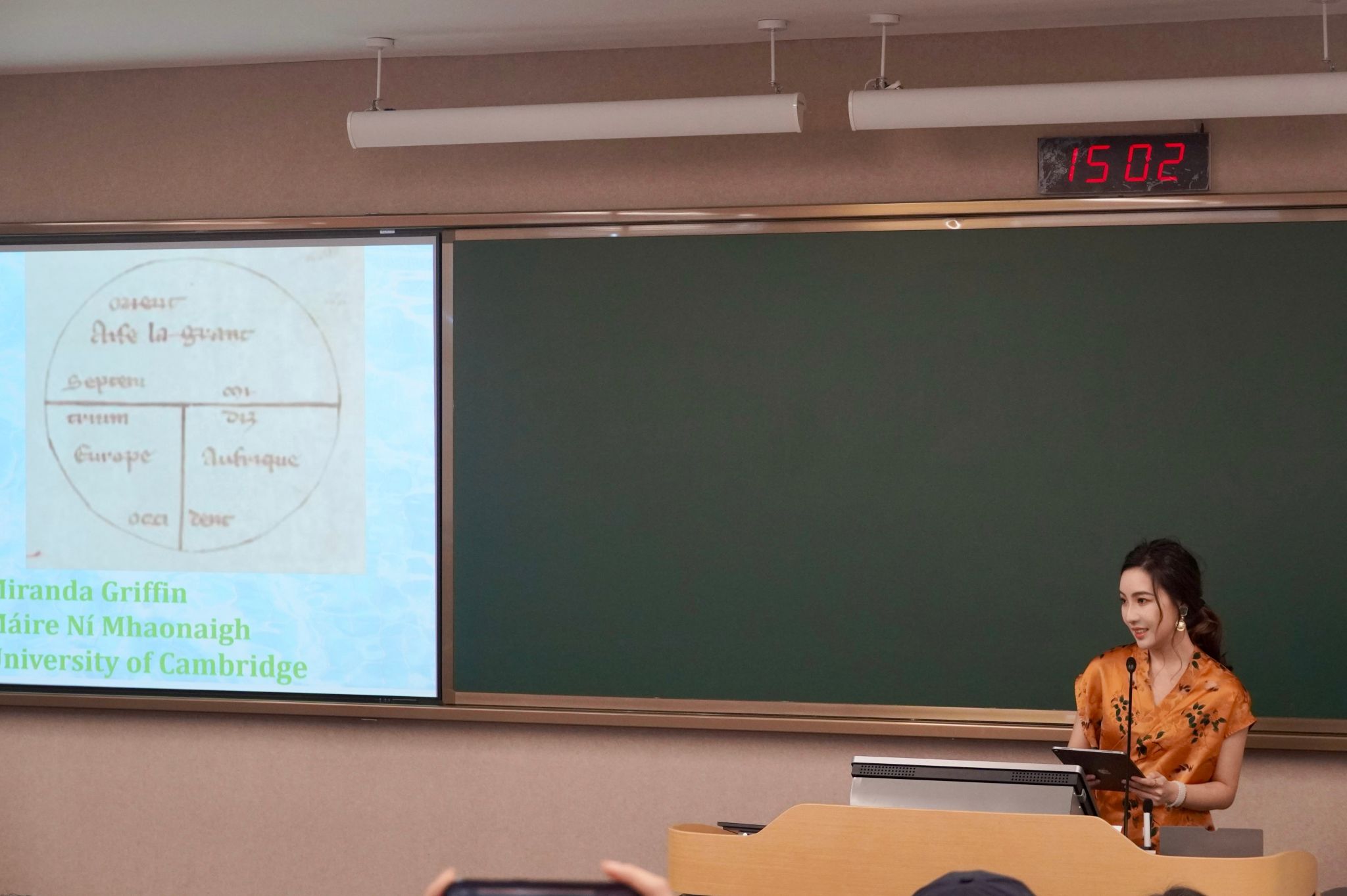
The keynote by Professors Ní Mhaonaigh and Griffin examined the challenges and methodologies of studying premodern literature and the environment.


Further contributions included Professor Dai Congrong onFinnegans Wakeand theBook of Kells, Professor He Chengzhou on Kun Opera and Jiangnan gardens, and Professor Du Lanlan on post-apocalyptic narratives in Canadian climate fiction. The workshop concluded with a roundtable discussion on global humanities, images, art, and environmental narratives, with graduate students actively engaging in debate.

Despite heavy rain on September 24, the lecture "Stories in the Landscape: The Environment in Pre-Modern European Literature" drew a full audience at the Xianlin campus and nearly 50 additional participants online. Professors Ní Mhaonaigh and Griffin offered a comprehensive exploration of landscape and environment in medieval European texts, inspiring further reflection on how literature shapes ecological perception.
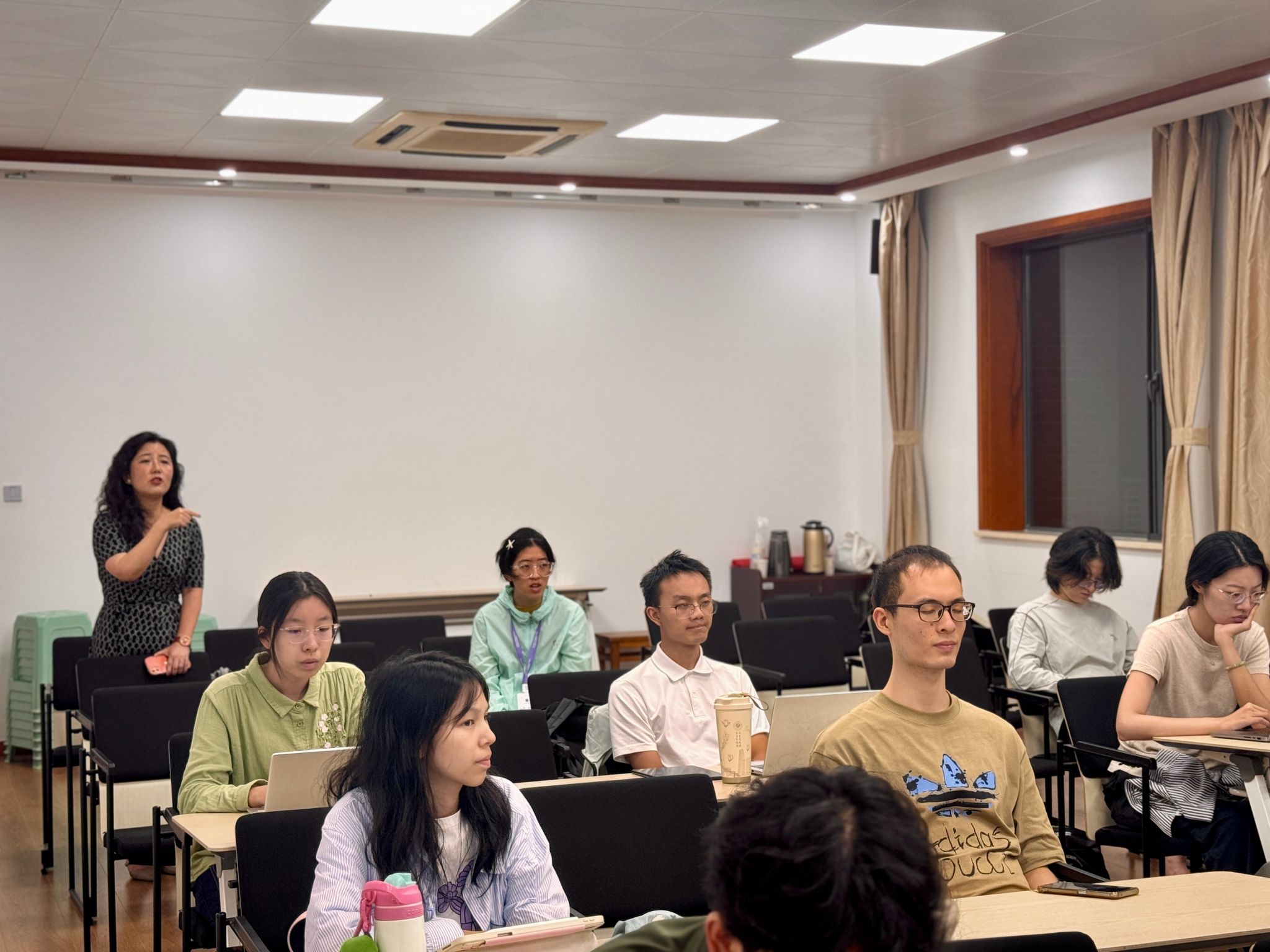
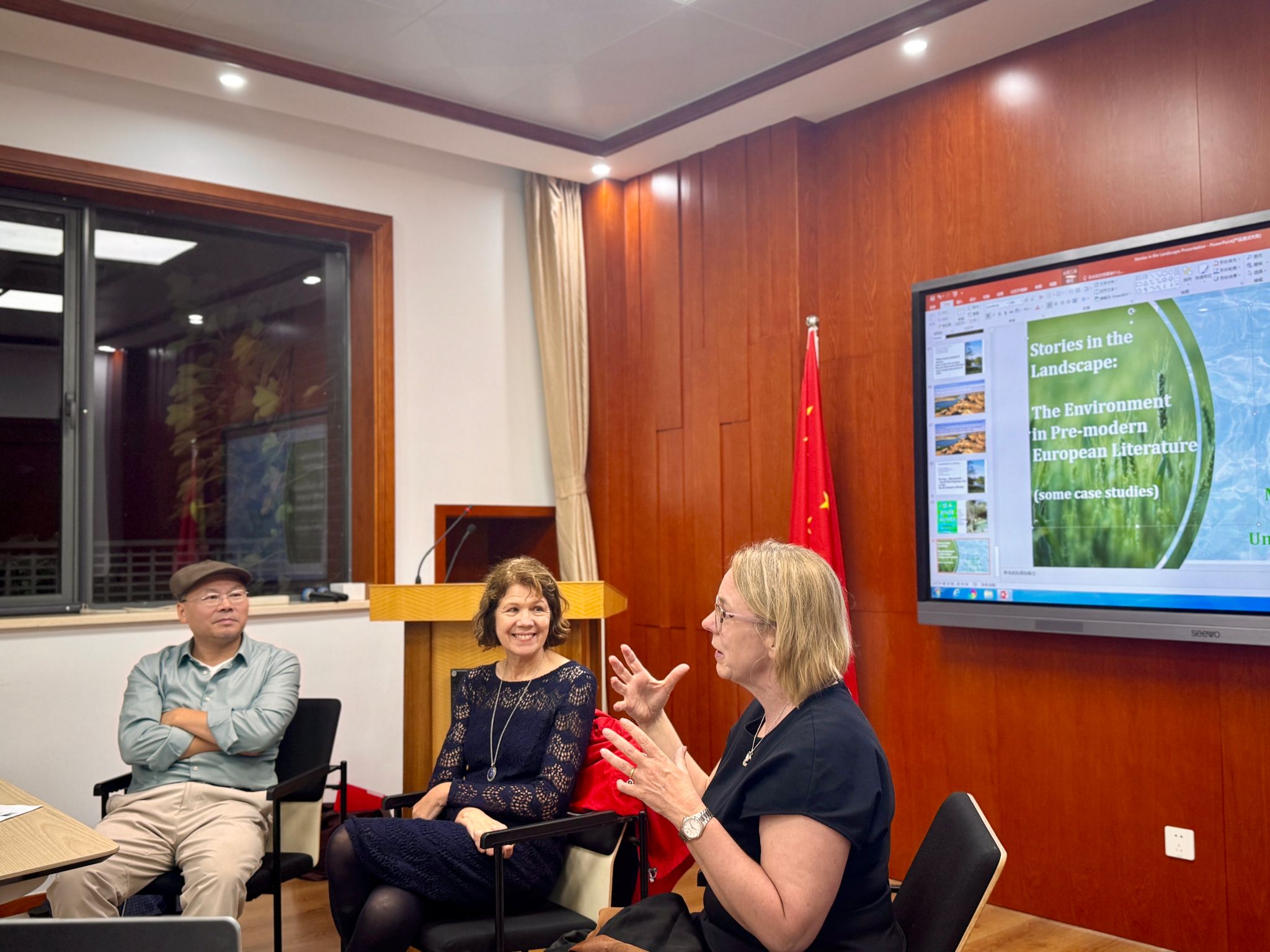 In the discussion session, Professor He Chengzhou of the Institute of Global Humanities joined the dialogue with the Cambridge scholars, engaging with questions on the relationship between ecology and the humanities. Students also raised thought-provoking questions on themes such as how literature shapes environmental awareness and the connections between nature writing and local identity, further deepening the exploration of the lecture's topic.

The series highlighted the growing partnership between Nanjing University and the University of Cambridge, and underscored the contemporary relevance of medieval studies in addressing pressing interdisciplinary questions. Supported by the Nanjing University International Collaboration Initiative (NICI), these events demonstrated the university's commitment to fostering global dialogue in the humanities and advancing cross-cultural, cross-disciplinary scholarship.