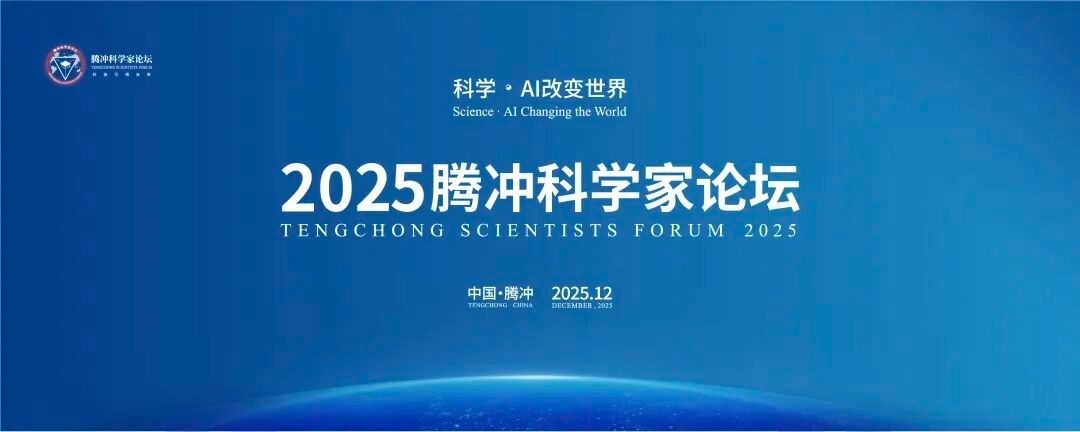
Recently, Tengchong Scientists Forum 2025—University Presidents Forum was held in Tengchong, Yunnan. The forum's theme was "The Transformation of Higher Education and the Mission of Universities", focusing on the development direction of higher education in the AI era, innovation in talent cultivation models, and the social responsibility of universities. It gathered global wisdom in higher education to discuss development paths. Over 100 university leaders and academicians from the Chinese Academy of Sciences and the Chinese Academy of Engineering gathered in Tengchong to discuss the transformation of higher education and the mission of universities.
Tan Zhemin, President of Nanjing University and Academician of the Chinese Academy of Sciences (CAS), attended the forum. He focused on how high-level research universities can serve national strategies through organized research, and delivered a keynote speech titled "Organized Research Serving High-Level Technological Self-Reliance and Strength."
Tan Zhemin pointed out that research universities, as focal points for education, technology, and talent, and as main forces in basic research and sources of major technological breakthroughs, bear the important mission of promoting high-level technological self-reliance and strength. Promoting organized research is not only a necessary requirement for research universities to serve national strategic needs and address global challenges but also the essential path for achieving their own intrinsic development and high-quality enhancement. To achieve organized research serving high-level technological self-reliance and strength, it is crucial to first strengthen the orientation of organized research, prioritizing the fundamental orientation of serving the nation, focusing on the key orientation of interdisciplinary research, and emphasizing the frontier orientation of digital intelligence empowerment. Secondly, it is essential to strengthen the layout of organized research by prioritizing top-level design, leveraging cluster advantages, and promoting the integration of production and research to enhance the systematic layout of organized research. Thirdly, the support for organized research must be reinforced, focusing on the cultivation of top innovative talent, infrastructure support, and policy guarantees.
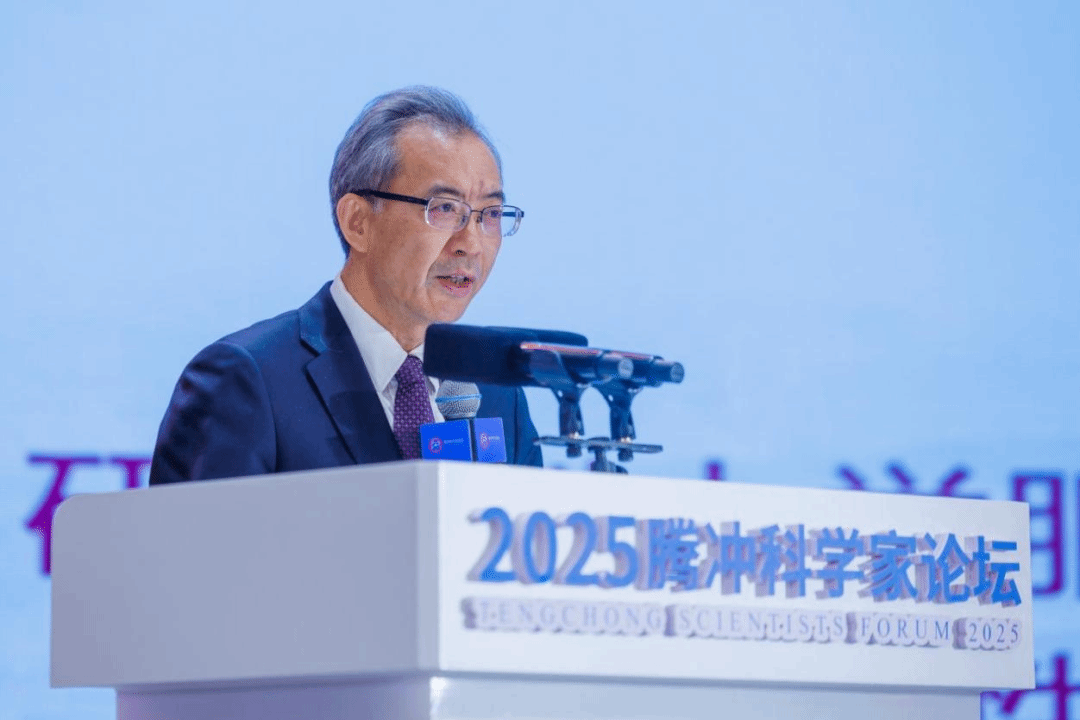
Tan Zhemin expressed that advancing organized research is both the essential path to achieving high-level technological self-reliance and strength and a contemporary challenge faced by universities worldwide. He hopes universities will join hands to explore new paths for organized research serving high-level technological self-reliance and strength, contributing wisdom and strength to the sustainable development of human society and making greater contributions to accelerating the construction of a strong nation in education, technology, and talent, and promoting the building of a community with a shared future for humanity.
CAS academicians and NJU professors Lü Jian, Zou Zhigang, Zheng Hairong, and Chen Yanfeng attended the Tengchong Scientists Forum 2025 and participated in related activities and sub-forums.
During the forum, Tengchong Scientists Forum 2025·Quantum Technology Innovation Development Symposium, hosted by Nanjing University and Tsinghua University, was held. More than twenty CAS academicians, over two hundred experts, scholars, and industry leaders gathered to discuss the development of quantum technology innovation, with Zou Zhigang serving as the sub-forum chair.
During the forum, Huang Xiaoqiang, Associate Professor at the School of Chemistry and Chemical Engineering at NJU, received the 2025 "Tengchong Young Scientist Award."